
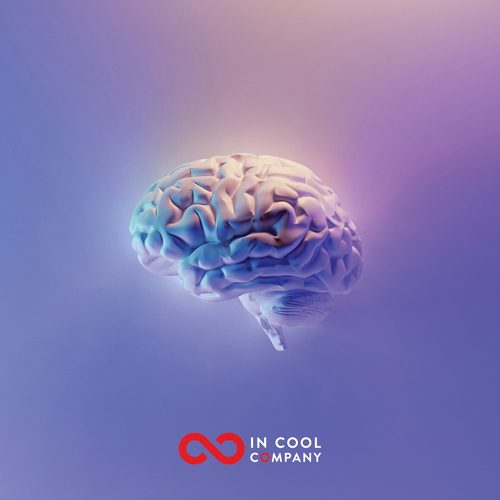
Brain and Body connected
World Mental Health Day falls on 10 October, with the 2026 theme “Lived Experiences Heard: Real Voices, Real Change”. This is a call to people with lived experience of mental health conditions to help shape the policies and services that affect them, which is a very important step.
When studying human performance, we place great emphasis on brain health. Central to the performance of our entire being, the brain deserves to be cared for in the same practical way that we look after the rest of our body.
The Nobel Prize for Physiology and Medicine
Scientists continue to make fascinating discoveries about our brain health and how it is best supported. Earlier this week, three scientists – Karl Deisseroth, Peter Hegemann and Georg Nagel – were awarded the Nobel Prize for the development of optogenetics. A technique that uses a light-sensitive protein to switch individual nerve cells on or off in a living brain. For the first time, neuroscience can actually test which circuits drive which behaviours and feelings – learning, fear, motivation, and addiction to name a few.
These scientists have started to create a crucial working map of how the brain produces the experiences so closely linked with our mental health. We will be watching their progress closely.
So how do we look after our brain health?
The good news is that there are some relatively ‘ordinary’ approaches to supporting our brain health. And the same fundamentals that protect the brain, are also the ones that protect our mood:
- Sleep: this is when the brain consolidates memory and clears metabolic waste. Protect it before you optimise anything else. The performance enhancing and recovery shortening properties of sleep are often overlooked in favour of some other technique or supplement. But, a lack of good sleep is instantly noticeable – memory and learning suffer, attention and judgement is compromised and, crucially, emotional control suffers.
- Movement: this changes the brain’s chemistry in ways no supplement has been proven to match so far. Go for a walk or jog, do some yoga or some gardening. Movement creates momentum in the brain, a short-cut to processing mood or altering state.
- Connection: this is a biological need, not a nice-to-have. There are multiple studies outlining that loneliness is a genuine health risk. Get a copy of Lost Connections by Johann Hari, or read up on Bruce Alexander’s seminal ‘Rat Park’ study to learn more about the neurological effects of a lack of connection, purpose and belonging.
- Stimulation: this matters, at all ages. Learn new skills, travel new routes, engage in new conversations, complete cognitive puzzles, and keep the brain working. The old phrase ‘use it or lose it’ is at its most relevant in this age of digitisation, lifestyle short cuts, and AI agents. Solving problems and making decisions promote feelings of achievement and control, naturally strengthening enjoyment and keeping us more engaged.
- Nourishment: what we put in, we get out. We have all enjoyed the fast food, high sugar/fat/salt approach to nutrition. We also know that its relation to actual ‘food’ is contestable! The brain, and the rest of the body, responds directly to the level of health-giving properties of our food and drink. No fancy green juices or grass-fed quinoa are required either, just wholefood protein, fibre, and water. It’s like rocket fuel, try it for a week and marvel at the changes to your brain function.
Of course, these techniques are not a substitute to professional care when required. If you are struggling, please seek out the support that is right for you.
This Saturday 10th October, and every day, we urge you to look after your brain in the same way that you would any other organ. Sleep properly, move often, nourish it well, and stay connected. The science is catching up to what the lived experience has been telling us all along: the mind is not separate from the body, and neither should the care be.